
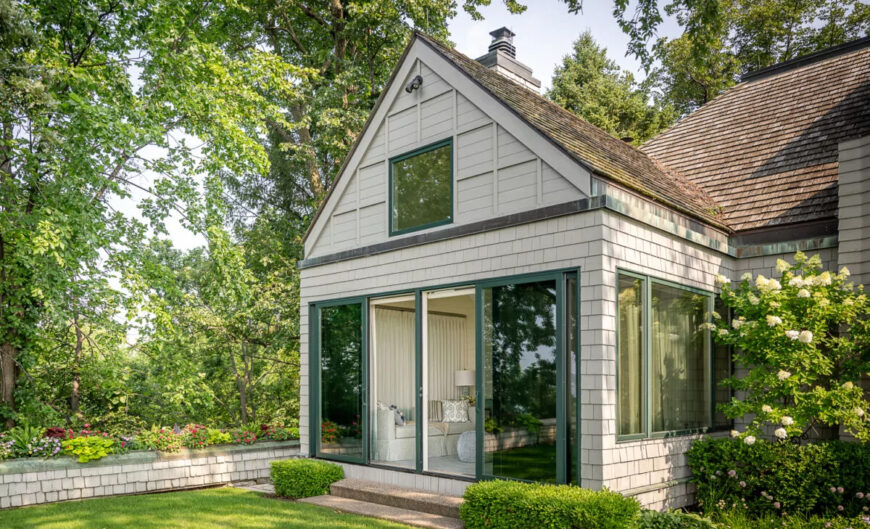
Healthy and sustainable interior design begins with a quieter question than most people expect. Not how should this room look? But what is this room made of, and how will it behave over time?
Every interior has a life beyond its appearance. Paint can continue releasing compounds into the air after the surface feels dry. Flooring, cabinetry, upholstery, rugs, adhesives, and finishes all become part of the atmosphere of a home. Some choices affect what people breathe and touch every day. Others affect how much waste is created, how often things need replacing, and how responsibly materials are sourced.
Healthy interior design looks closely at the conditions inside the home. It focuses on reducing harmful indoor exposures through lower-emission paints and finishes, safer furnishings, better ventilation, moisture control, and material choices that support long-term well-being.
Sustainable interior design looks at the longer path of a product. It considers environmental responsibility, durability, responsible sourcing, resource efficiency, waste reduction, and whether a material has been chosen for lasting value rather than short-term appeal.
These two ideas often meet, but they are not the same. A product can be low-emission without being especially sustainable. Another can be environmentally responsible but still raise concerns for indoor air quality. The strongest interiors consider both the person living in the room and the larger world connected to it.
This is why modern interiors are slowly moving away from fast, surface-level decorating and toward material transparency, longevity, and health-conscious living. While this approach can overlap with wellness design, healthy and sustainable interior design is more specifically focused on material safety, indoor air quality, resource use, and environmental responsibility. A healthier, more sustainable home is not built through perfection. It is built through attention: choosing better materials where possible, buying fewer but better-made pieces, improving airflow, reducing waste, and questioning products that rely more on green language than clear information.
Over the rest of this guide, you’ll learn how to recognize healthier materials, choose lower-toxicity furniture and finishes, understand indoor air quality, read certifications more carefully, and make design decisions that support both everyday well-being and long-term environmental responsibility.
Why Your Home Environment Matters More Than Ever
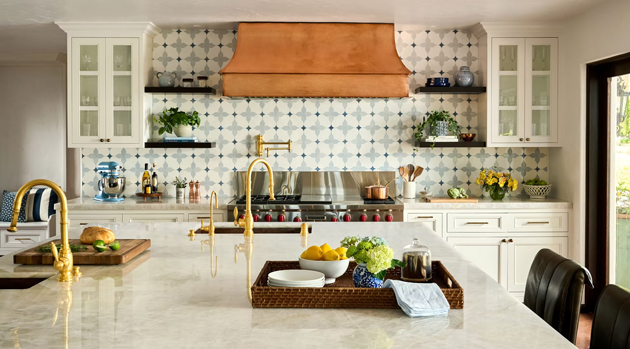
The quality of a home environment has a direct impact on daily life because most people spend a significant amount of time indoors. That makes interior design more than a matter of appearance. The materials, finishes, furniture, ventilation, and maintenance of a home all shape the conditions people live with every day.
Indoor air can be affected by many common sources, including paint, flooring, cabinetry, upholstery, adhesives, cleaning products, synthetic fragrances, and household materials. In a non-toxic home, these sources are considered carefully so that material choices support cleaner indoor conditions.
Certain products may release chemicals into the air through a process often referred to as off-gassing, particularly when they are new or recently installed. Choosing no-VOC materials where possible can help reduce indoor chemical exposure, especially during renovations, furnishing updates, or new construction.
Material choices matter long after a renovation is complete because products can influence indoor air quality based on what they are made from, how they are finished, and how well the space is ventilated.
Ventilation, humidity control, and moisture management are equally important. Poor airflow can allow pollutants and stale air to build up, while excess humidity can contribute to mold, mildew, and material deterioration. A healthier home depends not only on choosing better products but also on creating conditions that allow the space to breathe and function well.
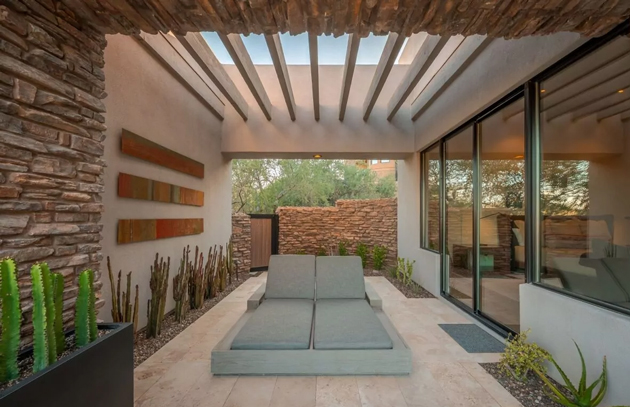
Interior design affects how a home looks, but it also shapes comfort, exposure, air quality, and long-term livability. A truly healthy and sustainable interior considers both the visible design and the invisible conditions that influence everyday wellbeing.
Gail E. Jamentz of Pasadena’s Soul Interiors Design similarly frames interiors as environments that affect how people live and function day to day. It is a useful reminder that healthy home design is not only about appearance, but also about the conditions a space creates for daily life.
That health-first focus is often what resonates most with clients. Lisa Peck of Minneapolis-based LiLu Interiors notes that many homeowners respond more immediately to concerns such as air quality, lower-emission materials, and healthier living environments than to sustainability as an abstract environmental goal.
In practice, the two often overlap. Lisa says she frequently designs for cleaner air using LEED-informed principles, even when certification is not part of the original brief. That might mean choosing low- or no-VOC finishes, improving ventilation strategies, and specifying more transparent materials from the start. These are the decisions that make a home healthier while also supporting broader sustainability goals.
The Core Principles of Sustainable Interior Design
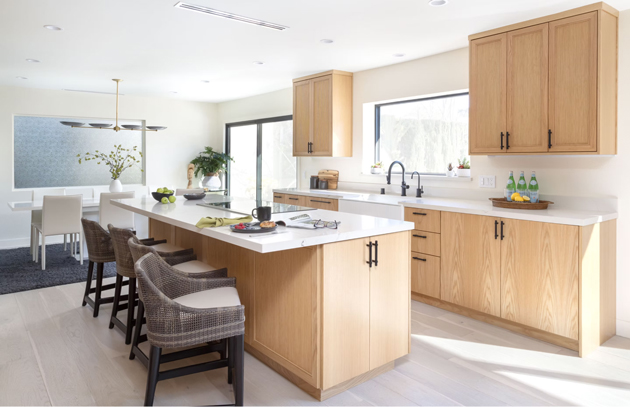
At its core, sustainable interior design is about making choices that reduce waste, conserve resources, and extend the life of the home. It is not only about choosing “green” products. It is about designing interiors that are durable, adaptable, efficient, and less dependent on constant replacement.
Longevity is one of the most important principles. A sustainable home should be designed with materials, furniture, and finishes that can withstand daily use and age well over time. Timeless design choices also matter because interiors driven only by trends are more likely to be replaced sooner, creating unnecessary waste.
Reuse is another key strategy. Existing furniture, cabinetry, flooring, and architectural details can often be restored, refinished, repurposed, or donated instead of discarded. This approach reduces landfill waste while preserving character and material value.
For many designers, these choices are part of good practice rather than a separate specialty. Lori Wiles of Cedar Rapids-based Wiles Design Group says her team incorporates sustainability, green design, and clean air through client conversations, landfill diversion, longer-lasting products, and materials that minimize off-gassing. As she puts it, “This is not a specialty but more of an integration of good practices to enhance healthy living.”
That mindset also changes how materials are sourced in the first place. Eco-friendly materials may include recycled, reclaimed, renewable, or responsibly sourced options, depending on the application. The best sustainable materials for interior design are not chosen simply because they are natural or recycled; they are appropriate for the space, durable enough for long-term use, and supported by transparent sourcing.
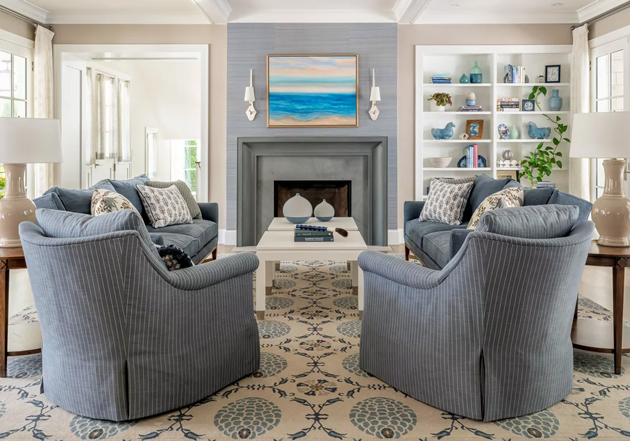
Energy and water efficiency are part of the same conversation. Efficient lighting, appliances, insulation, window treatments, and water-efficient fixtures can reduce a home’s long-term environmental impact. These choices may feel less decorative than furniture or finishes, but they are central to responsible, eco-friendly home design.
A sustainable interior should also be evaluated through its full lifecycle. Before choosing a product, consider how it is made, how it is transported, how it will be maintained, whether it can be repaired, and what happens to it at the end of its use. The goal is to create interiors that look beautiful while consuming fewer resources over time.
How to Make Your Home Less Toxic
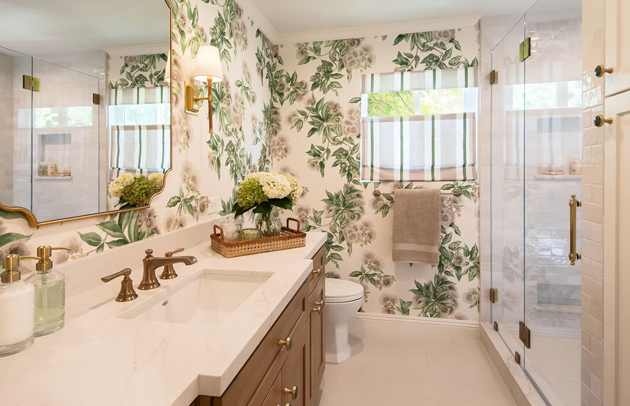
Creating a non-toxic home is less about eliminating every possible chemical and more about reducing unnecessary exposure. Many everyday interiors include paints, finishes, adhesives, foams, fabrics, cleaning products, and surface treatments that can affect indoor air quality. A healthier approach starts by choosing lower-emission products wherever possible.
One of the most effective steps is to use low-VOC materials or, preferably, no-VOC options for paints, sealants, adhesives, stains, and coatings. These choices are especially important during renovations, when large surface areas are being painted, finished, installed, or sealed at the same time.
Household products matter too. Synthetic fragrances, harsh cleaners, stain-resistant treatments, and heavily treated furnishings can all add to indoor chemical exposure. A less toxic home favors simpler products, clearer ingredient lists, and materials with fewer unnecessary additives. A simple hack for this is to open your favorite AI, such as ChatGPT or Gemini, and upload a photograph of your household cleaning products, asking for it to analyze their impact on air quality and to propose substitutions that are more eco- and breath-friendly.
Transparency is essential. Before buying furniture, flooring, rugs, mattresses, or upholstery, look for information about foams, glues, flame retardants, surface coatings, and fabric treatments. Products supported by credible third-party certifications or clear material disclosures can make it easier to understand what is being brought into the home.
High-contact items deserve particular attention because people live closest to them every day. Mattresses, sofas, bedding, rugs, children’s furniture, and upholstered pieces are worth evaluating carefully because they affect the spaces where people sleep, sit, play, and spend long periods of time.
The most accurate way to think about a “non-toxic home” is as a lower-exposure home. No material or product category is automatically perfect, but informed choices can reduce avoidable pollutants and create a healthier indoor environment over time.
Healthy & Sustainable Materials to Prioritize
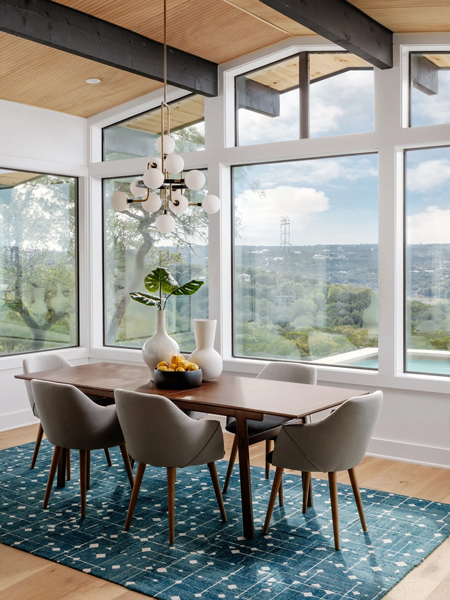
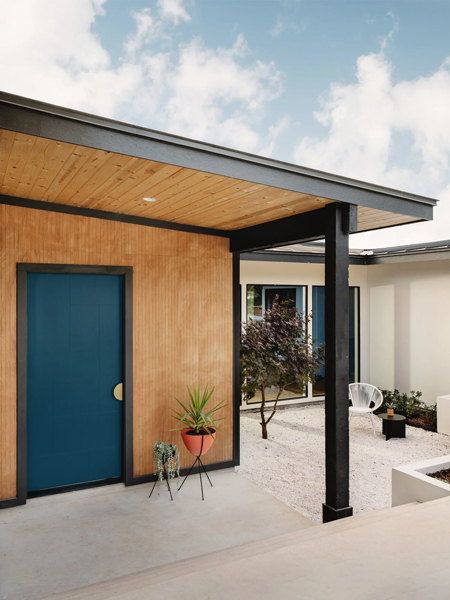
The materials used throughout a home have a direct impact on both indoor health and environmental responsibility. Some conventional interior materials, including certain MDF products, PVC-based finishes, synthetic carpets, and heavily treated surfaces, may raise concerns around emissions, durability, recyclability, or environmental impact depending on how they are made and installed.
The best sustainable materials for interior design are not chosen only because they are natural or labeled “eco.” They are selected because they are appropriate for the space, made transparently, and designed to age well.
Solid wood is often a strong choice because it is durable, repairable, and typically relies less on synthetic binders than many engineered wood products. When sourced responsibly, it brings the warmth of natural materials into interior design while supporting long-term sustainability goals.
Natural stone, ceramic, porcelain, and other mineral-based surfaces can offer longevity and lower-emission performance when properly selected and finished. For high-use surfaces such as countertops and backsplashes, sustainability depends not only on material type, but also on durability, sourcing, sealants, maintenance needs, and how often the surface is likely to require replacement.
For readers planning a renovation, sustainable countertops should be evaluated through the full picture: what the surface is made from, how it is sealed, how long it will last, how easily it can be maintained, and whether it suits the demands of the space.
Natural fiber textiles such as wool, linen, cotton, hemp, and jute offer alternatives to heavily synthetic fabrics. These sustainable fabrics can be especially useful for rugs, upholstery, window treatments, bedding, and soft furnishings, particularly when supported by credible textile certifications.
For flooring, cork, responsibly sourced bamboo, reclaimed wood, natural stone, and certain certified low-emission products can all contribute to more eco-friendly flooring choices. The right option depends on the room, durability needs, maintenance expectations, and how the product is manufactured and finished.
Designers often rely on trusted sources when evaluating healthier or more sustainable materials. Christine Ho of Austin’s Breathe Design Studio, for example, recommends Flor as one of her go-to suppliers for sustainable, planet-friendly rugs, noting the brand’s carbon-neutral and carbon-negative collections.
The reality is that it sourcing products is already burdensome for remodeling and interior design, and if you want to establish a healthy home, it even further justifies hiring a professional interior designer to guide the process on your behalf. Delegating, in my opinion, is essential for someone concerned not just for their physical health, but for their overall well-being.
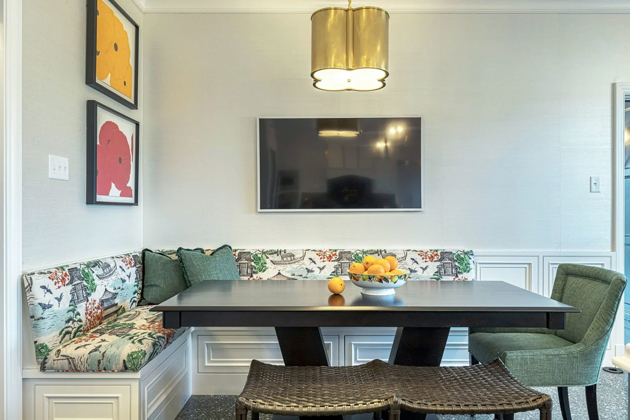
Paints, stains, adhesives, and sealants deserve equal attention because they are used across large surface areas. Choosing low-VOC or no-VOC finishes can help support healthier indoor air quality while still allowing for a polished, finished interior.
In kitchens, these principles apply at every scale, from cabinet construction to surfaces, fixtures, and finishes. Sustainable kitchen cabinets should be evaluated for durable construction, responsible wood sourcing, and lower-emission finishes, while broader sustainable kitchen design also considers water-efficient fixtures, long-lasting surfaces, and reduced replacement over time.
Reclaimed and recycled materials can also reduce waste while adding depth, texture, and character to a home. Whether used in flooring, furniture, architectural details, or decorative elements, these eco-friendly materials help extend the life of existing resources rather than relying only on newly produced goods.
How to Choose Non-Toxic Furniture
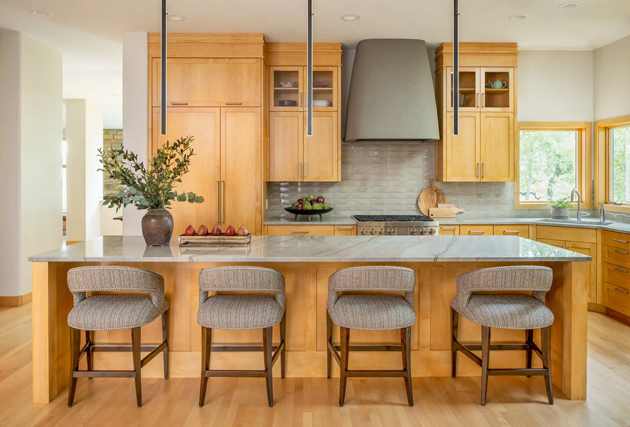
Furniture can have a significant influence on indoor environmental quality because it combines many material layers in one product: frame construction, cushions, adhesives, upholstery, finishes, stains, and surface treatments. For a healthy home, the goal is to look beyond style and evaluate how a piece is built.
Start with the frame. Solid wood construction is often preferable to heavily engineered frames, but the more important question is whether the brand discloses what the frame is made from, how it is joined, and what finishes or adhesives are used.
Cushions and foams deserve close attention because they are high-contact components used every day. Ask what the cushion is made from, whether flame-retardant additives are used, and whether lower-emission options are available.
Upholstery should be evaluated not only by fiber type, but also by what has been added to the fabric. Stain-resistant coatings, antimicrobial treatments, water repellents, and synthetic backing materials can all affect how suitable a piece is for a lower-toxicity home.
Finishes are another important layer. Stains, lacquers, glues, and sealants can influence both off-gassing and indoor air quality, especially when a piece is new. Lower-emission finishes and transparent product documentation are valuable when comparing options.
Some designers also develop a shortlist of furniture brands they trust because the materials and construction are easier to verify. Lisa Peck, for example, often specifies Cisco Home for projects where healthier furniture is a priority. Cisco’s Inside Green program highlights furniture made with materials such as FSC-certified woods, organic latex, jute, hemp, organic cotton, and wool, making it a useful example of the kind of material transparency homeowners should look for when evaluating upholstered pieces.
Indoor Air Quality and Ventilation

A healthy home depends not only on what is brought into the space, but also on how air moves through it. Even when lower-emission products and low-VOC materials are used, ventilation remains essential because everyday activities such as cooking, cleaning, bathing, and furnishing a home can all affect indoor air quality.
Proper airflow helps reduce the buildup of indoor pollutants, stale air, and excess moisture. Operable windows, mechanical ventilation, exhaust fans, and well-planned air circulation all contribute to a cleaner and more comfortable indoor environment.
Source control is especially important in kitchens, bathrooms, laundry rooms, and utility areas. Exhaust systems help remove moisture, odors, combustion byproducts, and airborne contaminants closer to where they are produced, instead of allowing them to spread through the home.
Air filtration can also support a non-toxic home, particularly when paired with lower-emission materials and regular maintenance. Filtration is most effective when it is treated as one part of a larger strategy rather than a substitute for better materials, cleaning habits, and ventilation.
Humidity control is another key factor. Too much moisture can contribute to mold, mildew, and material deterioration, while very dry air can affect comfort. A healthier indoor environment depends on keeping moisture levels balanced and addressing leaks, condensation, and poor drainage early.
Cleaner materials reduce what enters the air, while ventilation, filtration, and humidity control help manage the indoor environment over time.
Certifications and Labels to Know
Certifications can make it easier to evaluate health and sustainability claims, but they should be read carefully. Each label measures a specific aspect of a product or project, such as chemical emissions, textile safety, responsible sourcing, energy efficiency, water efficiency, or circular design. No single certification proves that a product is completely non-toxic or universally sustainable.
For indoor products and materials, GREENGUARD and GREENGUARD Gold certified labels are especially relevant because they focus on lower chemical emissions. GREENGUARD Gold has stricter limits and is often used for products intended for homes, schools, healthcare settings, and other sensitive indoor environments.
For wood and forest-based products, FSC certification helps identify materials connected to responsible forest management and more accountable sourcing. This can be useful when evaluating wood furniture, flooring, cabinetry, wall paneling, and other forest-derived materials.
For textiles, OEKO-TEX STANDARD 100 is one of the most useful labels to understand. It verifies that textile products and components have been tested for harmful substances, from yarn to finished product. This can apply to upholstery, bedding, curtains, rugs, and other soft furnishings.
GOTS certified textiles are also important, especially when evaluating organic cotton, linen, wool, or other organic-fiber products. GOTS is focused on organic fibers and includes environmental, human-rights, and social criteria across the textile supply chain, backed by independent certification.
Cradle to Cradle Certified is broader than a single material-health label. It evaluates circularity and sustainability performance across categories such as material health and product circularity, making it useful for products designed with safer materials, reuse, and responsible lifecycles in mind.
ENERGY STAR helps identify independently verified energy-efficient products, homes, buildings, and manufacturing plants. For interiors, it is especially relevant when selecting appliances, lighting, HVAC systems, and other energy-using products.
WaterSense helps identify water-efficient products that meet EPA specifications for both efficiency and performance. This is especially relevant for faucets, toilets, showerheads, irrigation products, and other fixtures where water conservation is part of the design strategy.
LEED is different from the other labels because it applies to buildings and interior projects rather than individual products. Certain products and materials may help a project meet LEED credit requirements, but they should not be described as “LEED compliant” products on their own.
Here’s a quick look at the key certifications and labels to know:
| Certification or Label | What It Helps Evaluate |
| GREENGUARD / GREENGUARD Gold certified | Lower chemical emissions from indoor products and materials |
| FSC certification | Responsible sourcing for wood and forest-based products |
| OEKO-TEX STANDARD 100 | Textiles tested for harmful substances |
| GOTS certified | Organic textiles and environmental and social criteria across the textile supply chain |
| Cradle to Cradle Certified | Material health, product circularity, and broader sustainability performance |
| ENERGY STAR | Independently verified energy efficiency for products, homes, buildings, and manufacturing plants |
| WaterSense | Water-efficient products that meet EPA specifications for efficiency and performance |
| LEED | Green building and interior project certification, not individual product certification |
The most important takeaway is that certifications are decision-making tools, not blanket guarantees. A product may be low-emission but not renewable, responsibly sourced but not low-VOC, or energy-efficient but unrelated to indoor air quality. The strongest approach is to understand what each label actually measures and use that information alongside material transparency, durability, and the specific needs of the home.
How to Evaluate Products and Materials Before Buying
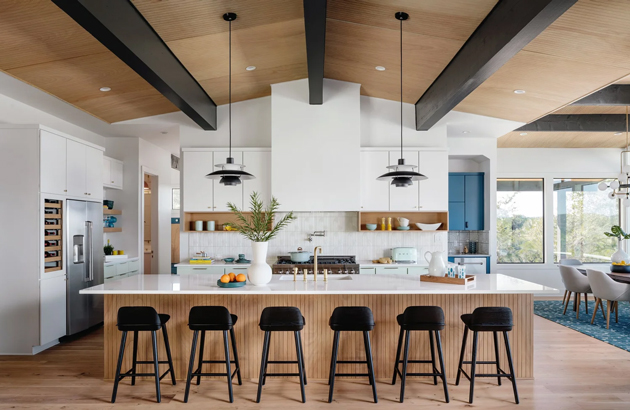
Choosing healthier and more sustainable products requires looking beyond surface-level claims. Words like “green,” “natural,” “eco-friendly,” and “non-toxic” can be useful starting points, but they are not enough on their own. A better question is: what is the product made from, how is it finished, and how much information does the manufacturer actually disclose?
A strong evaluation considers both health and sustainability. A product may be low-emission but made from non-renewable materials, or it may be responsibly sourced but finished with coatings that are not ideal for indoor air quality. The best choices balance both sides: lower exposure inside the home and lower environmental impact over time.
Certifications can help, but only when they are understood correctly. Rather than treating every label as proof that a product is completely safe or sustainable, look at what the certification actually measures. One label may focus on emissions, another on textile safety, another on wood sourcing, and another on energy or water efficiency.
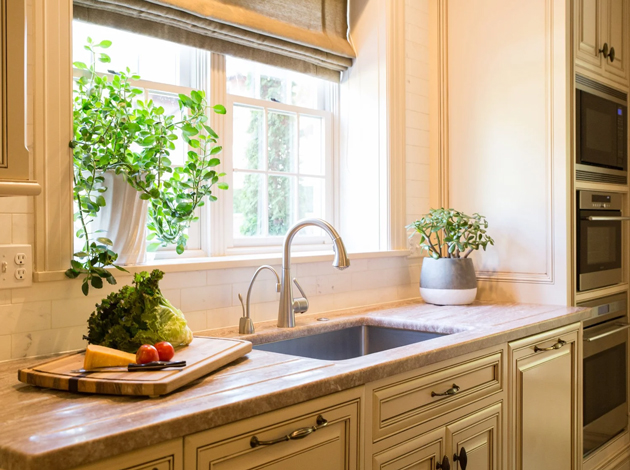
Before buying, ask a few practical questions: What is this made from? What is it finished with? Does the brand disclose adhesives, coatings, or treatments? Is there a credible third-party certification? Can the product be repaired, refinished, recycled, or responsibly disposed of?
Durability is just as important. Before choosing a material, consider how it will hold up, how it should be maintained, whether it can be repaired, and what happens when it reaches the end of its useful life. A product that lasts longer, can be refinished, or can be responsibly recycled often supports a more sustainable outcome than one that needs frequent replacement.
Transparency is one of the clearest signs of a responsible brand. Look for companies that clearly disclose sourcing, finishes, adhesives, treatments, emissions testing, and relevant certifications instead of relying only on vague sustainability language.
This is also where a seasoned interior designer can be especially valuable. Experienced designers know how to compare material claims, ask vendors the right questions, read beyond marketing language, and recognize when “green” branding is not backed by meaningful transparency.
Common Mistakes to Avoid
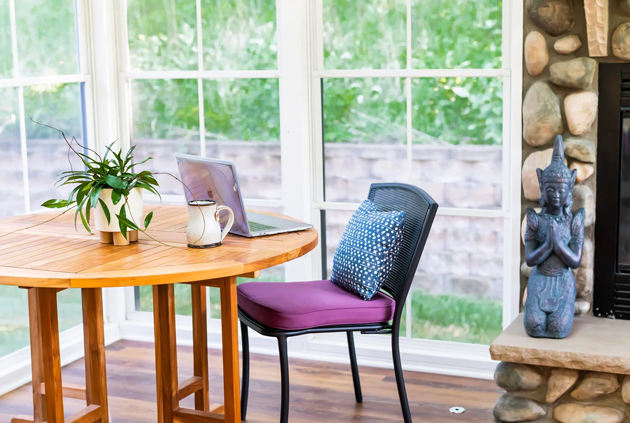
One of the most common mistakes in eco-friendly home design is assuming that natural always means better. Natural materials can be excellent choices, but they still need to be evaluated based on how they are sourced, processed, finished, treated, and maintained. A natural fiber fabric with heavy chemical treatments, for example, may not be the best choice for a lower-toxicity home.
Another mistake is taking sustainability claims at face value. Vague words like “clean,” “earth-friendly,” or “conscious” mean little without clear information about materials, sourcing, certifications, or testing.
It is also important not to separate sustainability from indoor health. A product may be recycled, renewable, or responsibly sourced, but still affect indoor air quality depending on its adhesives, finishes, coatings, or installation method. A truly healthy home considers both environmental impact and everyday exposure.
Frequent replacement is another overlooked issue. Constantly updating furniture, finishes, flooring, or decor to follow trends can undermine the purpose of sustainable interior design, even when the new products are marketed as eco-friendly. Longevity, repairability, and adaptability are often more sustainable than repeated purchasing.
Finally, avoid designing only for what looks current. Trend-driven choices can shorten a product’s useful life if they feel dated quickly or no longer suit the way the household lives. The most sustainable interiors are not necessarily the most minimal or the most visibly “green”; they are the ones designed to last, function well, and age with intention.
The Future of Healthy & Sustainable Interior Design

Healthy and sustainable interior design is no longer a niche conversation. It is becoming a long-term shift in how homes are designed, furnished, renovated, and lived in. Homeowners are paying closer attention to what materials are made from, how products are sourced, what they release into the air, and how long they are likely to last.
This shift is changing expectations around transparency. Vague claims are no longer enough; people increasingly want clearer information about sourcing, manufacturing, emissions, finishes, certifications, and product lifecycles.
Health-conscious living is also reshaping the idea of home performance. Comfort now includes indoor air quality, durable materials, efficient systems, and products that support daily life without adding unnecessary exposure or waste.
Circular design will continue to play a larger role through reuse, repair, refinishing, reupholstery, adaptability, and long-term material value. A sustainable home is not only designed for how it looks today, but for how its materials can be maintained, reused, or responsibly retired in the future.
As a result, healthier homes are increasingly associated with quality, longevity, and modern luxury rather than niche sustainability trends.
Final Takeaway
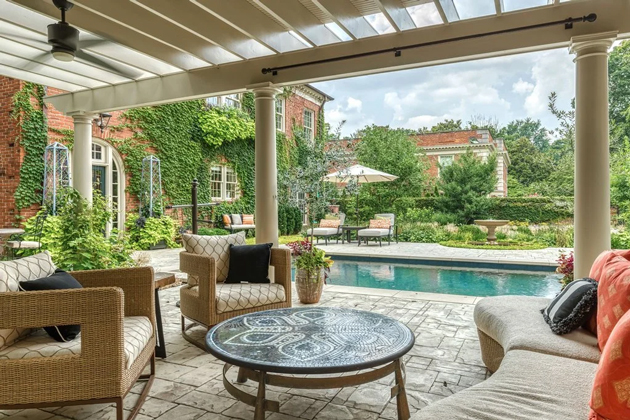
A healthy and sustainable home is built through intentional choices made over time. Better materials, cleaner air, durable furnishings, responsible sourcing, and thoughtful maintenance all contribute to interiors that support both personal well-being and environmental responsibility.
The goal is not to create a perfect home overnight, but to make informed decisions that reduce unnecessary exposure, limit waste, and improve long-term livability. Every choice can move a home closer to being healthier, more durable, and more environmentally responsible.
For homeowners planning a renovation or major furnishing project, working with a professional interior designer can make these decisions easier to navigate. An experienced designer can help balance health, sustainability, budget, aesthetics, and performance so the final result feels both responsible and livable. Otherwise, enjoy the green/eco/sustainable/wellness design rabbit hole!♥