
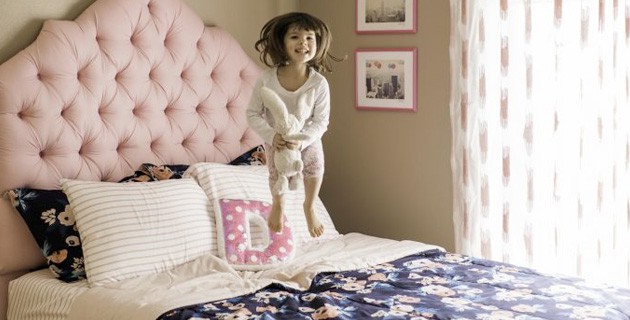
There comes a time when all children outgrow their “little kid” bedrooms. From the (sometimes) unpleasant color schemes to their Disney-themed decor, when it’s time to upgrade to something a bit more practical, most parents are thrilled yet understandably have trouble knowing where to start! Afterall, you still want your kid’s room to be playful and young, but with the flexibility to adapt as they grow.
Growing children spend a lot of time in their rooms. It becomes their much needed private space away from the stress of growing up. First off, understand your kid’s personality. Take their opinion on how their ideal room would look like or incorporate. Yes, kids can be a tad bit overdramatic and demanding, so you need to figure out the best way to meet their demands without going overboard and still ensure that the room is aesthetic and functional.
Sounds like a difficult task? Here are a few tips to help you decorate your child’s bedroom.
WALL COLORS
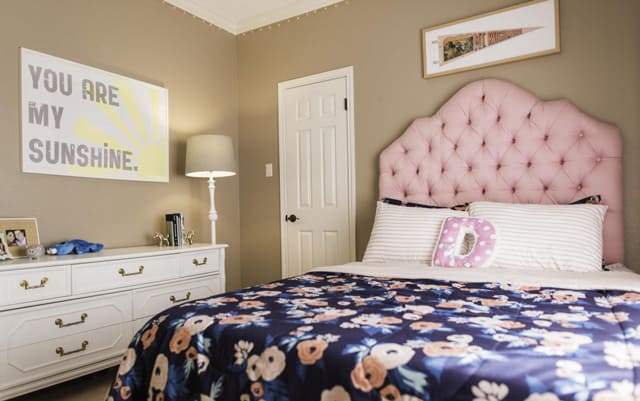 Image Source : BANDD DESIGN
Wall color is one of the most important elements of the bedroom. Colors can stimulate or counter a variety of reactions. They can encourage happiness or excitement, be soothing or calming, or counter restlessness and depression.
Some children can be extra sensitive to colors. Older children could be very particular about the colors they want. You need to find a color scheme which suits your child’s personality and complements the other elements of the room.
The beige in this room is a neutral color. It’s not too loud and hence complements all the other elements of the room. Also, since children tend to often change their preferences, a neutral color like this could be used until they get a better understanding of their personal style and are sure of the color they want.
FUN AND BRIGHT
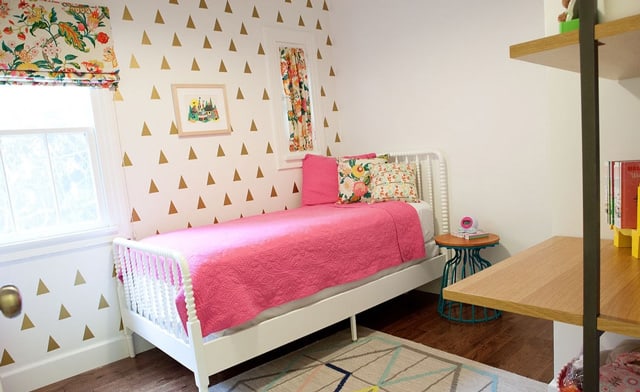 Image Source : Joy Street Design
Wallpapers can be a fun element to use rather than paint as they are more stylish and offer more designs and patterns. They are also more practical to use as they are easy to clean and can camouflage dirt or smudges. This is especially useful in kid’s bedrooms as kids tend to touch the walls a lot!
This white wallpaper, featuring golden triangles, is simple yet not boring. The color white, which is dominant in most elements of the room including the wall, bed, and windows, makes the small space look bigger and also creates a sense of cleanliness and calm.
Bright floral curtains and pillows, and pink bedding adds some nice contrasting color to the whites. The unique side table and the carpet with a modern design are good touches to add to a young person’s bedroom.
ADVENTURE
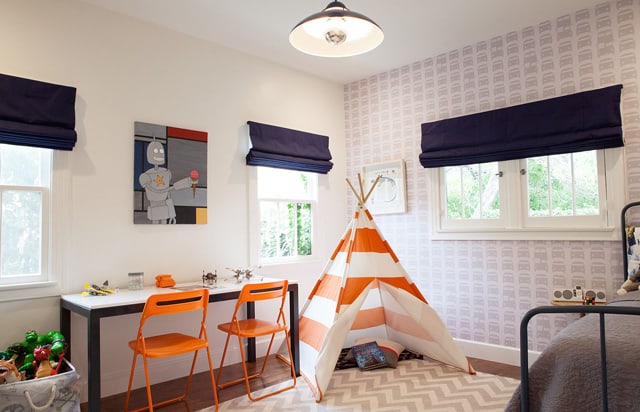 Image Source : Joy Street Design
This neutral yet fun wallpaper matches well with pops of navy blue and bright orange color. While the navy blue has a soothing effect, the bright orange stimulates happiness and excitement. The neutral carpet with zig zag stripes is another interesting element to add on.
Fun art or pictures are appealing to both younger children and teenagers. The orange and white striped tipi placed in the corner creates a sense of adventure. It is a great space for your child to spend quality reading time and to engage in other activities such as playtime or talking to friends.
As children’s rooms tend to be cluttered, give them a box or a trunk to store their toys in. A transparent open box makes their toys more accessible and easier to find.
SOPHISTICATED
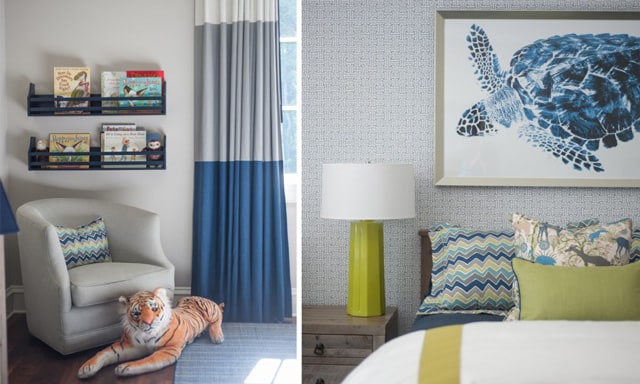 Image Source : Nandina Home & Design
The soft neutral greys of the walls, curtains, and sofa are well complemented with bold colors in the decor such as this lovely chartreuse-glazed ceramic lamp. This scheme could be used to create a sophisticated look more suitable for an older child. Wall mounted bookshelves are great for storing books while not taking up ground space. A large art piece above the bed is a good way to add some character and color to the room.
THEMED
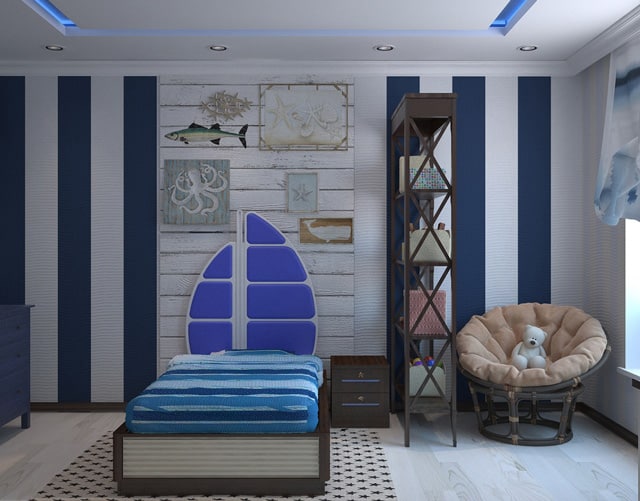
Themed bedrooms are a favorite among children—especially when the theme is one of your child’s favorites!
Create an underwater theme with a blue and white color scheme. The vertical stripes will make your ceiling appear higher. You could use a different blue to make your bed the center of attraction. The blue ceiling lights will accentuate the ocean theme.
A storage shelf is a good idea to keep the room clutter free. Using boxes to store contents such as toys or craft supplies will also encourage your child to become organized. The placement of the shelf sideways is an interesting way to create a separate space. This additional space near the window could serve as a cozy reading area.
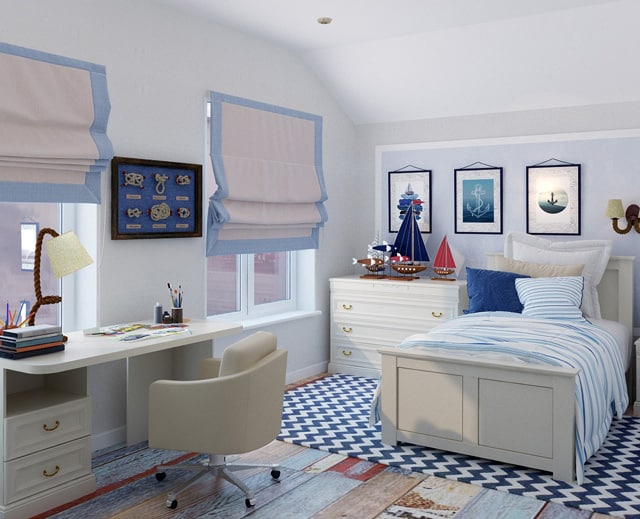
You could also create a sailor theme with the shades of blue and white throughout the room. Further build on the theme with pictures of anchors, a display of sailor knots and miniature ship models. A simple white study table, with a revolving chair and a unique lamp are a classy addition to perfect your nautical theme.
The bedroom is one of the most cherished childhood memories. Ensure that you transform your child’s bedroom for them to cherish forever! ♥
