

Remote work has become a permanent fixture, making the need for a well-designed home office more critical than ever. As the line between home and work blurs, creating a dedicated space that fosters productivity and supports a balanced lifestyle is essential. A thoughtfully designed home office not only enhances focus and efficiency but also contributes to overall well-being, ensuring that you can thrive in your remote work environment.
Design plays a crucial role in shaping how we work and feel in our home offices. Whether it's choosing the right furniture, optimizing lighting, or incorporating personal touches, a well-designed home office is key to creating an environment that inspires and sustains your best work. Let's delve into the key aspects of designing the perfect home office.
Understanding the Needs
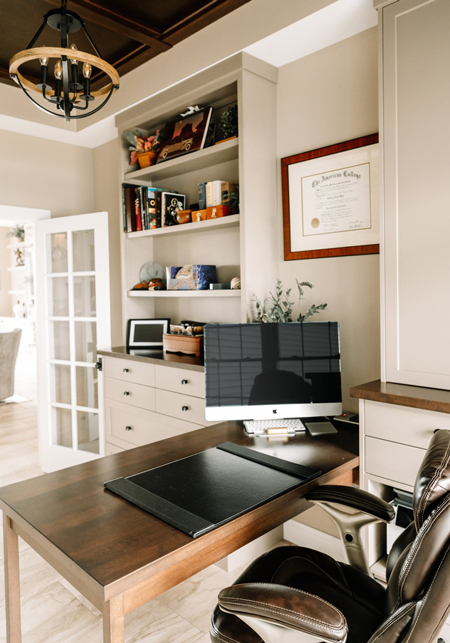
The first step when designing a home office is to assess its functionality by identifying its primary purpose. Cedar Rapids-based interior designer Lori Wiles of the Wiles Design Group says, “The very first thing we focus on is making sure it perfectly aligns with the client's needs – starting with how they plan to use the space.” Whether the space is intended for focused work, studying, creative pursuits, or a combination of these activities, understanding how the office will be used is essential for making informed design decisions. A home office tailored to its specific function can better support productivity, creativity, and comfort, ensuring the space meets your needs.
Choosing the Right Locations

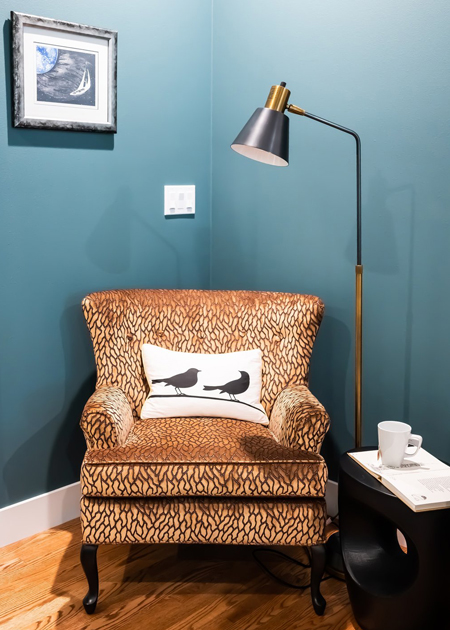
Choosing the right location for your home office is the foundation of creating a productive and comfortable workspace. When selecting a spot, consider factors like noise levels, natural light, and accessibility. A quiet area away from household distractions can help you focus, while ample natural light can boost your mood and energy throughout the day. If possible, choose a space with easy access to the rest of your home to maintain a smooth work-life balance without sacrificing efficiency.
For those working with smaller homes or apartments, finding the ideal space might require some creativity. For instance, discover how Lori repurposed a bar cart into a stylish and practical workstation.
A functional office doesn't always need a dedicated room; a well-thought-out corner in your living area or bedroom can serve as an effective workspace. Use room dividers or strategically placed furniture to carve out a distinct work zone, ensuring that even in a compact space, you have a clear separation between work and relaxation areas. With the right approach, you can design a home office that fits seamlessly into any space, no matter the size.
Smart Lighting Choices


Natural light plays a significant role in boosting mood, increasing productivity, and reducing eye strain. Positioning your workspace near a window can provide ample daylight, which helps regulate your circadian rhythm and keeps you energized throughout the day. However, not all spaces have access to sufficient natural light, so it's important to supplement with the right artificial lighting. Lori suggests considering the overall lighting, saying, "LEDs use less energy, making them ideal for overhead or general lighting in the space." She also emphasizes the importance of task lighting, noting that ring lights can be great for Zoom calls. To ensure energy efficiency, Lori recommends practical solutions: "Put lighting on sensors so when you’re out of the room, it automatically turns off, preventing unnecessary energy waste."
Cedar Rapids-based interior designer discusses home office lighting essentials
Additionally, the temperature of the bulbs plays a key role in choosing the right lighting. "LEDs have a lower temperature and emit very little heat compared to incandescent bulbs," Lori explains, adding that this choice impacts room temperature and energy use. By carefully considering overall lighting, mid-room lighting, and task lighting on your desktop, you can create a home office that not only meets your functional needs but also inspires and motivates you every day.
Essential Furniture and Layout

When designing a home office, selecting ergonomic furniture is crucial for maintaining health and boosting productivity. The right desk and chair can make all the difference in how you feel throughout the workday. An adjustable chair with proper lumbar support and a desk at the correct height help prevent strain and fatigue, ensuring that you can work comfortably for extended periods. Standing desks are also worth considering, as they offer flexibility by allowing you to alternate between sitting and standing, which can reduce the negative effects of prolonged sitting. Don't overlook accessories like monitor stands, footrests, and keyboard trays, which can further enhance your ergonomic setup, reducing the risk of repetitive strain injuries and promoting overall well-being.
Arranging your furniture to optimize workflow and comfort is just as important as choosing the right pieces. The layout of your home office should facilitate ease of movement and access to essential items, creating a space where everything you need is within reach. Depending on the size and shape of your room, consider different layout options, such as a traditional desk against the wall, an L-shaped configuration, or a floating desk in the center of the room. Find the arrangement that best suits your needs and maximizes the functionality of your workspace.
Storage Solutions

A clutter-free workspace is essential for maintaining focus and productivity in a home office. When your environment is organized and free of distractions, it's easier to stay on task and keep your mind clear. Innovative storage solutions, such as sleek cabinets, floating shelves, and hidden compartments, can help you achieve this without sacrificing style. These storage options not only keep your workspace tidy but also blend seamlessly with your office design, enhancing both functionality and aesthetics.

When it comes to choosing storage solutions, one important consideration is whether to opt for built-in storage or standalone pieces. Built-in storage, such as custom cabinetry or integrated shelving, offers a streamlined look and can be tailored to fit your specific needs and space constraints. On the other hand, standalone pieces like stylish bookshelves or mobile filing cabinets provide flexibility, allowing you to rearrange or update your office layout as needed.
Technology Integration

Incorporating technology seamlessly into your home office is essential for creating a functional and efficient space. Smart home devices, such as voice-controlled assistants and automated lighting, can enhance your workflow by allowing you to control your environment with ease. Proper cable management is also crucial in maintaining a clean and organized workspace, helping to minimize distractions and create a more aesthetically pleasing area.
Future-proofing your home office is equally important as technology continues to evolve. By preparing your space for future technological advancements, you can ensure that your office remains adaptable to your changing needs. This might include installing additional outlets, considering flexible layouts that accommodate new devices, or investing in modular furniture that can be easily reconfigured. By thinking ahead, you’ll create a home office that meets today’s demands and is ready for whatever the future holds.
Personalization and Aesthetics


Personalizing your home office is an essential step in creating a space that truly feels like your own while maintaining a professional atmosphere. Incorporating personal elements such as art, plants, and carefully selected decor can enhance your work environment without sacrificing professionalism. Choose artwork that inspires you and plants that are easy to care for, as they add life and character to your space. Accessories should reflect your style but also be functional, ensuring that they don’t clutter or distract from your work.
A perfect example of blending aesthetics with functionality is how Lori integrated a client's special guitars into their home office design. By incorporating lighting that highlights these cherished instruments without generating heat, Lori achieved a visually appealing and practical solution. This thoughtful approach not only personalizes the space but also preserves the integrity of the guitars, demonstrating how design can seamlessly merge beauty with utility.
Making Your Home Office Work for You
Designing a home office that is both functional and stylish involves a thoughtful blend of practicality and personal touches. Each detail, from ergonomic seating to effective storage solutions, choosing the right furniture, optimizing lighting, and incorporating decor that reflects your personality plays a crucial role in creating a workspace that enhances productivity and comfort.
Consulting with a professional interior designer can make all the difference for those looking to create the perfect home office tailored to their specific needs and tastes. These experts can provide valuable insights and customized solutions to ensure that your workspace not only meets functional requirements but also embodies your unique style. Get ready to transform your home office into an inspiring and efficient environment.♥

