
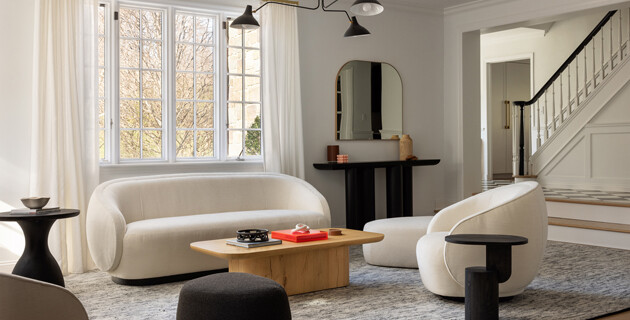
Wellness is often associated with personal habits. Exercise routines, sleep schedules, meditation, and nutrition are usually the first things that come to mind when people think about improving their well-being. Yet the environments we spend time in influence how our bodies and minds respond to the world.
Some homes feel restorative the moment you walk through the door. The light is comfortable, the space feels calm, and your body naturally begins to relax. Other environments create a subtle tension that is harder to explain. The lighting may feel harsh, the room slightly crowded, or the atmosphere restless even when nothing appears obviously wrong.
These reactions are not accidental. The human brain constantly interprets environmental signals such as light, sound, materials, and spatial organization. Over time, these cues shape how easily we can focus, rest, or recover from the stresses of daily life.
This is where wellness interior design becomes important. Rather than focusing only on aesthetics, wellness design considers how the built environment supports physical health, emotional balance, and mental clarity. When thoughtfully applied, it helps create homes that not only look beautiful but also support how people feel and function every day.
What Is Wellness Interior Design?

Wellness interior design focuses on creating environments that support how people feel, function, and recover in their daily lives. Rather than treating interiors purely as visual compositions, this approach considers how light, materials, spatial organization, and sensory conditions influence physical health, emotional balance, and mental clarity.
In practice, wellness design brings together multiple aspects of the built environment. Architecture, lighting, material selection, airflow, acoustics, and spatial planning all play a role in shaping how a space is experienced. A room that looks visually appealing may still feel draining if the lighting is harsh, the acoustics echo, or the air quality is poor. Wellness design deliberately addresses these conditions, allowing interiors to support well-being rather than quietly working against it.
At its core, wellness design is built on several environmental principles that help shape restorative spaces:
- Natural light — regulating circadian rhythms and supporting daily energy cycles
- Connection to nature — incorporating natural materials and biophilic elements that help reduce stress
- Healthy materials — maintaining clean indoor air and minimizing environmental toxins
- Sensory comfort — balancing sound, texture, scent, and visual calm to prevent overstimulation
- Spatial clarity — reducing visual noise and creating environments where the mind can settle
These elements rarely operate in isolation. Instead, they work together to influence how a space feels over time. When carefully integrated, they help create interiors that not only function well but also support relaxation, focus, and recovery from the demands of everyday life. The sections that follow explore each of these principles and how designers apply them to create healthier, more restorative homes.
Why Our Homes Affect How We Feel

Every space sends signals to the brain. Light levels, sound, texture, color, and spatial organization all contribute to how comfortable or tense an environment feels. These cues are processed quickly and often subconsciously, shaping how the body responds to a room before we consciously evaluate it.
This is why certain spaces immediately feel calm while others feel slightly draining. Harsh lighting, visual clutter, echoing sound, or cramped layouts can create a background sense of agitation even when nothing appears obviously wrong. Over time, environments like these can contribute to fatigue, difficulty focusing, or a general sense of restlessness.
Balanced interiors tend to produce the opposite effect. When light is comfortable, materials feel natural, sound is softened, and the layout allows easy movement, the body begins to relax. The nervous system shifts out of a state of constant alertness and into one that supports focus, rest, and recovery.
Understanding this relationship between environment and well-being is the foundation of wellness interior design. Rather than treating these reactions as incidental, designers use them intentionally, shaping spaces that reduce stress and help support emotional and physical balance in everyday life.
What Makes a Space Feel Restorative

Restorative spaces rarely rely on a single design feature. Instead, they emerge from a combination of environmental qualities that work together to create a sense of calm and balance.
One of the most noticeable factors is balanced natural light. Daylight that spreads evenly through a room tends to feel energizing without creating glare or sharp contrast. When light is comfortable, the body can remain alert during the day while still transitioning easily into rest later in the evening.
Another important element is visual simplicity. Spaces filled with competing colors, patterns, and objects can create subtle tension, even when each item is attractive on its own. When surfaces feel composed and visual noise is reduced, the eye can move through the room without constantly searching for a focal point.
Acoustic comfort contributes to a restorative environment. Hard surfaces often amplify sound, creating echoes or background noise that makes a space feel unsettled. Softer materials such as rugs, textiles, and upholstered furniture help absorb sound, making rooms feel quieter and more comfortable.
Materials themselves also influence how a space feels. Natural materials such as wood, stone, and woven textiles tend to introduce warmth and tactile richness that synthetic surfaces often lack. These materials introduce warmth and tactile richness that synthetic surfaces often lack.
Finally, restorative spaces typically have clear spatial flow. Furniture arrangements allow the body to move easily through the room without obstruction or awkward navigation. When circulation feels effortless, the space supports relaxation rather than subtle physical tension.
Taken together, these elements reveal an important principle of wellness interior design: calm environments are not created by a single feature, but by the interaction of light, materials, acoustics, visual clarity, and spatial organization.
Light and Circadian Rhythm: The Foundation of Wellness Design

Light is one of the most influential elements in wellness interior design because it directly affects how the body regulates energy, mood, and sleep. The human circadian rhythm, often described as the body’s internal clock, responds strongly to patterns of light and darkness throughout the day. When lighting conditions align with these natural cycles, it becomes easier to stay alert during the day and transition into rest at night.
Natural light plays a central role in this process. Spaces that receive consistent daylight tend to support better concentration, mood stability, and overall energy levels. Windows, skylights, and thoughtful spatial planning can help bring daylight deeper into interiors, allowing rooms to feel brighter and more connected to the rhythm of the day.
As daylight fades, interior lighting begins to shape how the environment feels. This is where layered lighting design becomes important. Rather than relying on a single overhead fixture, layered lighting combines ambient, task, and accent lighting to create a balanced and adaptable atmosphere. This approach allows spaces to shift comfortably from active daytime use to quieter evening routines.
In the evening, warmer and lower-intensity lighting helps signal to the body that it is time to slow down. Bright, cool-toned lighting late at night can interfere with the body’s natural preparation for sleep, while softer warm lighting supports a smoother transition into rest.
Because light influences both physical and emotional states, it often becomes the foundation of wellness-focused interiors. Thoughtful lighting design not only improves how a space looks but also helps create environments that support daily energy cycles and healthy sleep patterns.
Biophilic Interior Design: Bringing Nature Indoors

Humans have a long-standing relationship with natural environments. For most of human history, daily life unfolded outdoors, surrounded by vegetation, natural light, water, and organic materials. Even today, many people notice an immediate sense of calm when spending time in nature. Biophilic interior design seeks to recreate some of that connection within the built environment by integrating natural elements into interior spaces.
One of the simplest ways to introduce this connection is through natural materials. Surfaces such as wood, stone, clay, and woven fibers bring subtle variation in texture, color, and pattern that manufactured finishes often lack. These materials tend to feel warmer and more grounded, helping spaces feel less artificial and more comfortable to inhabit over time.
Plants also play a meaningful role in biophilic interiors. Indoor greenery adds life, movement, and color to a room while helping soften architectural edges. Even a few well-placed plants can change the atmosphere of a space, making it feel more relaxed and welcoming.
Beyond individual materials or objects, biophilic design also includes nature-inspired forms and patterns. Curved shapes, organic silhouettes, and layered textures often echo patterns found in landscapes and natural growth. When combined with natural light and open views, these elements help reinforce a sense of connection to the outdoors.
Bringing nature indoors does not require turning a home into a greenhouse. Instead, it involves thoughtfully incorporating natural elements in ways that feel balanced and authentic. Over time, these details help create interiors that feel calmer, more restorative, and more closely aligned with how people naturally experience the world.
Designing Calm Sensory Environments


Interior spaces are experienced through the senses. Light, sound, texture, scent, and visual complexity all shape how comfortable or overwhelming a room feels. When too many stimuli compete for attention, environments can become subtly exhausting. Over time, overstimulating interiors may contribute to fatigue, difficulty concentrating, or a persistent sense of restlessness.
Wellness interior design focuses on reducing this sensory overload and creating environments that allow the body and mind to relax. Rather than eliminating sensory input altogether, the goal is to create balance so that no single element dominates the experience of the space.
Sound is one of the most noticeable factors. Hard surfaces such as glass, stone, and concrete can amplify noise, causing rooms to feel echoing or unsettled. Incorporating acoustic comfort through rugs, upholstered furniture, curtains, and textured wall surfaces helps absorb sound and create a quieter atmosphere.
Texture also plays an important role in shaping sensory comfort. Spaces that include soft and tactile materials, such as woven textiles, natural fibers, and upholstered surfaces, tend to feel warmer and more inviting than those dominated by rigid, reflective finishes.
Air quality and scent contribute to the atmosphere of a room as well. Fresh air, natural ventilation, and subtle natural scents can make interiors feel lighter and more breathable. Poor ventilation or synthetic fragrances, on the other hand, may create discomfort that people sense even if they cannot immediately identify the source.
Finally, visual simplicity helps the eye move comfortably through a space. When objects, patterns, and colors are carefully balanced, the room feels organized and calm rather than visually chaotic. Reducing visual noise allows attention to settle instead of constantly shifting between competing elements.
Together, these sensory considerations illustrate an important principle of wellness interior design: environments that feel calm are often the result of carefully balanced sensory conditions. By shaping sound, texture, air quality, and visual clarity, interiors can support relaxation and help create spaces that feel genuinely restorative.
Spatial Clarity and the Power of Simplicity

The way a space is organized has a direct influence on how comfortable it feels to occupy. Rooms that are crowded with objects, competing patterns, or awkward furniture arrangements often create a subtle sense of tension. Even when each element is attractive on its own, the overall environment can feel visually noisy and mentally draining.
Clutter is one of the most common sources of this visual noise. When too many objects compete for attention, the eye constantly shifts from one point to another, making it difficult for the mind to settle. Over time, environments like these can contribute to a sense of overwhelm. Spaces with fewer, more intentional elements tend to feel calmer because the visual field is easier to process.
Spatial organization also affects how the body moves through a room. Clear circulation paths allow people to move comfortably without navigating around obstacles or tight corners. When furniture placement supports natural movement, the environment feels effortless to use rather than subtly restrictive.
In wellness-focused interiors, simplicity is not about stripping a space of character. Instead, it reflects a more intentional approach to what remains. Objects, furnishings, and decorative elements are chosen with care so that each contributes to the atmosphere of the room rather than competing with it.
When visual clutter is reduced and spatial flow is thoughtfully arranged, the environment begins to feel more open and balanced. This sense of spatial clarity helps create interiors that support calm thinking, relaxation, and everyday well-being.
Healthy Materials and Indoor Air Quality

The materials used inside a home can have a lasting impact on the quality of the indoor environment. Paints, finishes, adhesives, flooring, and furnishings may release small amounts of chemical compounds into the air over time. These substances, often referred to as volatile organic compounds (VOCs), can gradually affect indoor air quality, particularly in tightly sealed modern homes where ventilation is limited.
For this reason, wellness interior design pays close attention to material selection. Surfaces and finishes are chosen not only for their visual appearance but also for how they contribute to the health of the living environment. Approaches often associated with healthy home design focus on materials with lower chemical emissions and finishes that help maintain cleaner indoor air.
Natural finishes and breathable textiles can also support healthier interiors. Fabrics made from natural fibers such as cotton, linen, and wool tend to regulate moisture more effectively than synthetic alternatives, helping interiors feel more balanced and less stagnant. Similarly, natural wood, clay-based finishes, and mineral paints are often favored in non-toxic interiors because they introduce fewer pollutants into the home.
Ventilation plays an equally important role. Even carefully selected materials benefit from consistent air movement that allows fresh air to circulate through the space. Operable windows, cross-ventilation, and well-designed airflow can make a meaningful difference in improving indoor air quality, particularly in homes designed for long-term comfort.
The Future of Wellness Interior Design

Interest in wellness-focused environments has grown steadily in recent years, and it is beginning to influence how homes are designed at a broader architectural level. As people spend more time indoors and become more aware of how environments affect their health, the demand for spaces that support well-being continues to increase.
New research in fields such as neuroaesthetics and environmental psychology is helping designers better understand how the brain responds to light, materials, spatial proportion, and sensory conditions. These insights are gradually shaping how interiors are planned, encouraging environments that feel calmer, more balanced, and easier for the mind and body to inhabit.
Technologies such as circadian lighting systems are beginning to apply these principles more precisely, adjusting brightness and color temperature throughout the day to better align indoor environments with natural rhythms. As these tools evolve, they may allow interior environments to respond more dynamically to human needs.
At the same time, expectations around the home environment are shifting. Conditions such as comfortable lighting, clean air, and quieter interiors are increasingly seen as essential aspects of a healthy home rather than optional upgrades.
As these ideas continue to develop, wellness interior design is likely to influence not only decoration and materials but also how homes are planned, built, and experienced.
Designing Homes That Support Well-Being

The environments people live in influence far more than visual comfort. Over time, the character of a home shapes how easily the body can relax, focus, and recover from the demands of daily life. Spaces that feel calm and supportive rarely happen by accident. They are the result of environments that have been thoughtfully shaped to support the people who inhabit them.
Wellness interior design approaches the home with this awareness in mind. Instead of focusing solely on appearance, it considers how the overall environment contributes to comfort, balance, and long-term well-being. When a home is designed with these principles in mind, it begins to feel easier to live in, places of rest feel genuinely restorative, and everyday spaces support clarity and focus.
Ultimately, wellness design reflects a simple but important shift in perspective. A home is not only something we see; it is something we experience continuously. Designing with well-being in mind allows the spaces we live in to quietly support how we feel, function, and recover each day. ♥
